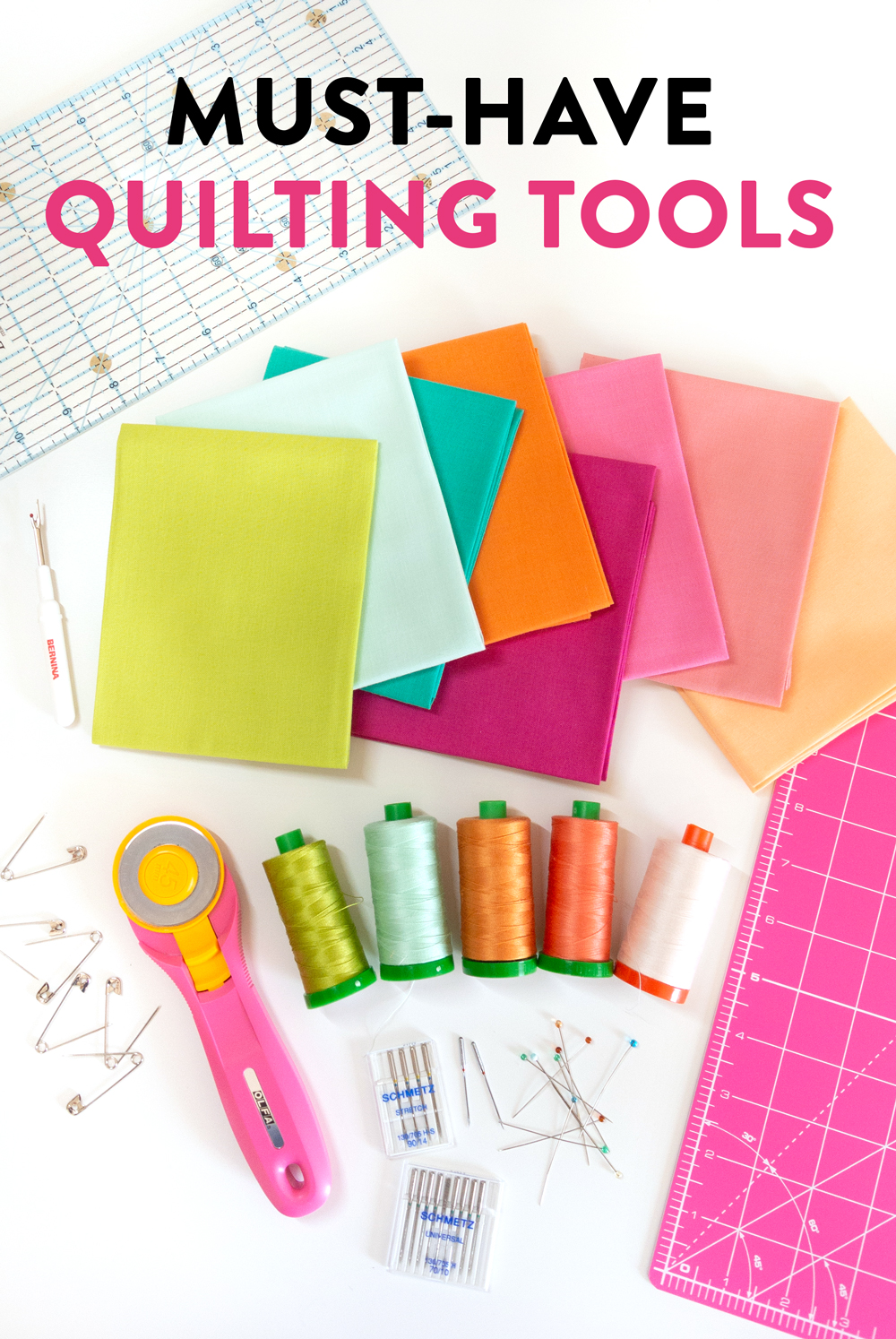
The yarn over (or YO) is a stitch in knitting that makes a small hole in your fabric. It can also be used to create buttonholes. It is very simple to learn. It is often abbreviated by knitting patterns as "yo", however, it can also be abbreviated many other ways.
This stitch is made after a knit stitch. Begin by holding the yarn on the front end of your work and wrapping it around. The back of each stitch will be knitted into your fabric before it is dropped off the left side needle. The next stitch should be worked. You may need to do the opposite of what you normally do with certain patterns. In this instance, you will work your yarn clockwise rather than counterclockwise.
You can either use two knit stitches to yarn over or two purl stitches. If you're working the yarn in between two purl stitches you will need the yarn to be passed over the needle once more to form the hole. You will still need to work the yarn in the same way as the knit stitches. It is important to not twist the stitches.
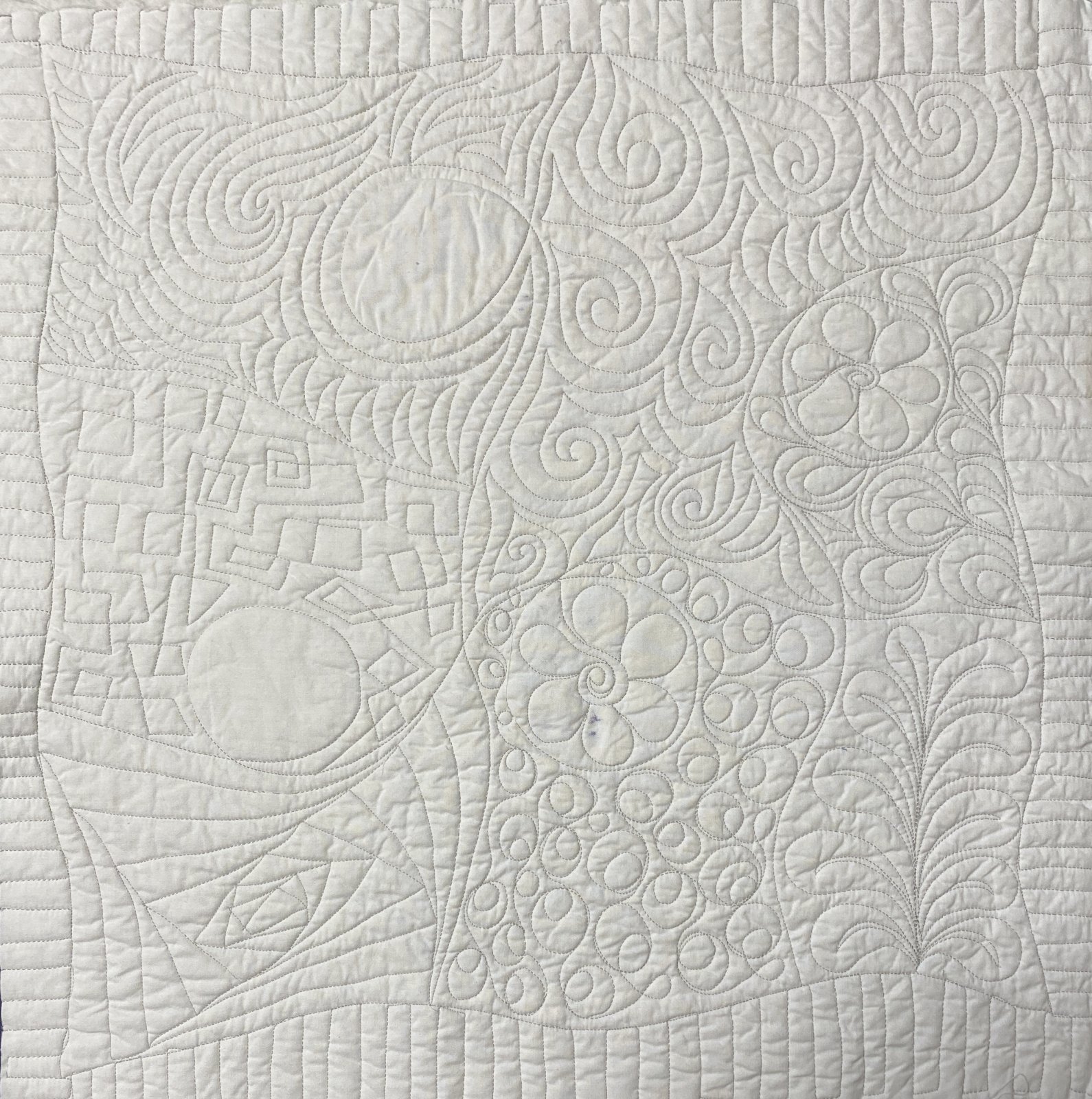
The yarn over can also be used in conjunction with other increases. For example, you may want to increase the number of stitches in your pattern. Using a yarn over increase is one of the easiest ways to increase the number of stitches. This stitch is especially useful for lace patterns.
A yarn over is a way to increase the number of stitches. It creates an extra stitch on your needle. This stitch is also useful in creating decorative stitches like eyelets. It is also useful in working a dropped row within a pattern. The yarn can be used to make a small hole or splice in your projects' fabric.
Wrap the yarn around your right-hand (RH), needle before you can work the yarn over. Your index finger holds your yarn in place. The next stitch is knitted with the new loop. Now you can continue knitting with the stitch that is in front of it in the pattern.
In knitting patterns, the YO is commonly abbreviated by "yo". It is sometimes abbreviated as "M1L" in knitting patterns that use a one-step method to increase stitches. This is a method that creates a bar between two stitch and then works a yarn over the top. It is commonly used with the k2tog rise. It is also used in lace patterns to even up the stitch number.
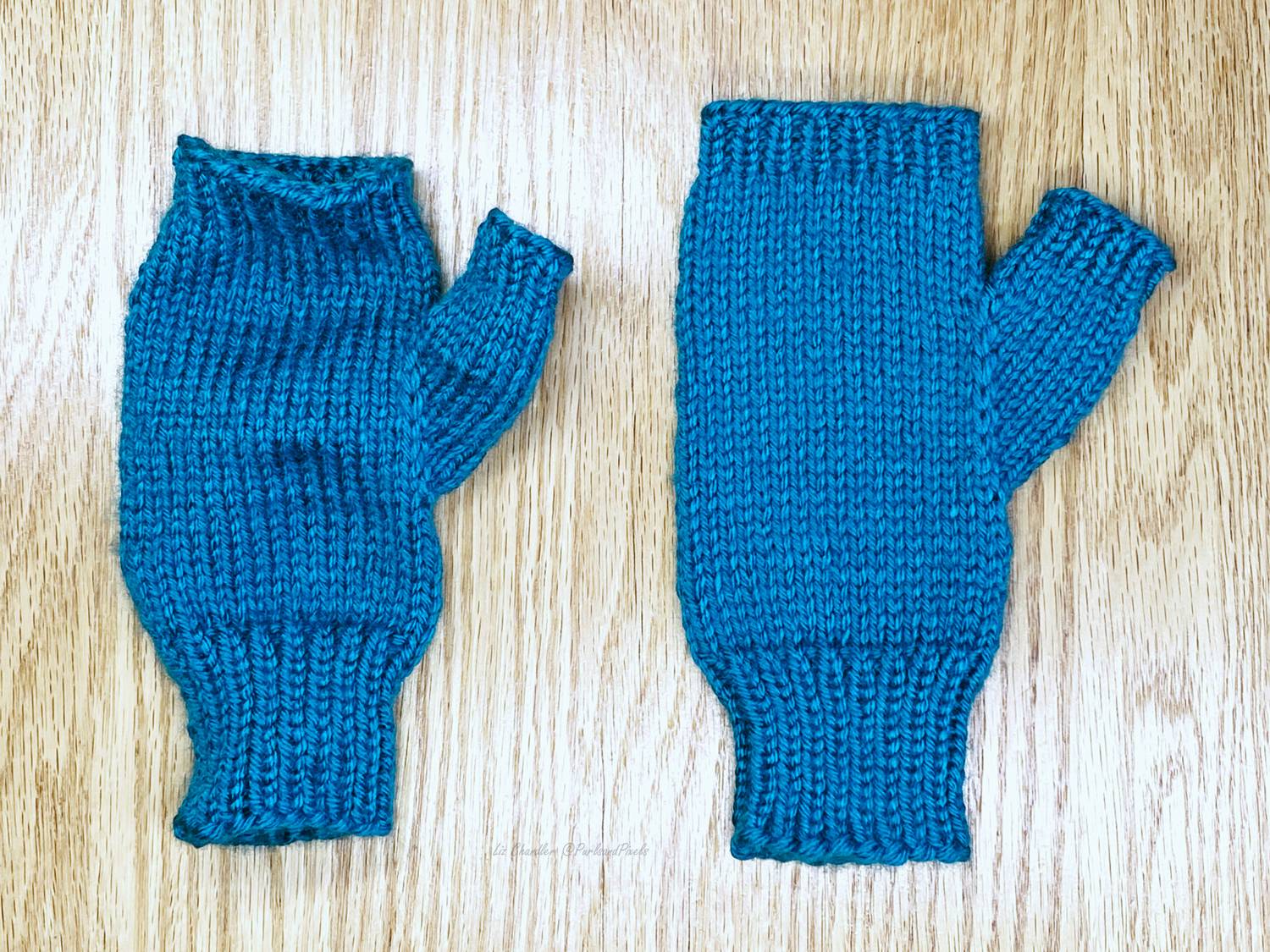
The yarn over can also be combined with other increases and decreases. To create a button hole or decorative stitch, you might combine a yarn-over increase with a K2tog decrease.
FAQ
What are the competitive hobbies?
Swimming, running, cycling, golfing and tennis are some of the competitive sports.
They are usually enjoyed by people who enjoy being active, but also allow for social interaction.
If your hobby is physical activity, chances are that others share it.
This could be as simple as joining a sports club where you play regularly together.
You can also participate in team games where you play alongside others.
These include soccer (soccer), rugby, netball and hockey.
There are many kinds of competition.
Some competitions are organized for purely recreational purposes.
Others are used to assess competitors' abilities.
Some are even designed to reward outstanding performance.
In these cases, winners receive prizes.
Other competitions are designed to test the strength and stamina of competitors.
These are known endurance events.
For example, marathon races, triathlons, Ironman Triathlon, etc.
Athletes often train hard before competing in these events.
To prepare their bodies and minds, they will have to adhere to a strict training plan.
They may also need to spend some time away from home during preparation.
It's important to remember that not all athletes compete in every type of event.
How can I find a hobby?
At first, it may seem like there is nothing you can do.
You might think, "I'm not very talented," "I struggle at sports," "I don't really know anything."
There is a good chance that you have some experience with hobbies.
It's just that you haven't realized it yet.
Take a tour of your house. How many things do you own?
Do you still have toys?
Perhaps you have a collection books or magazines.
Perhaps cooking has been something you've wanted to do all your life.
Maybe you want to get back into playing the guitar.
Whatever it may be, you can likely turn it into something.
Realize that you have many experiences already.
You'll find a hobby that fits your lifestyle once you do.
Where can I get free resources to learn more?
There are many websites dedicated to helping people discover new hobbies.
Here are some of the favorites:
www.trythisathome.com - This site provides a list of over 100 different hobbies. This site also contains information on how you can get started with each of them.
www.hobbyfinders.org: This website offers thousands of activities you can search by skill level, location, or interest.
www.indiebazaar.co.uk - IndieBazaar is an online marketplace designed specifically for independent artists and musicians. The site features hundreds of products ranging from artwork to music gear.
www.pinterest.com/explore/hobbies - Pinterest is a social media network that lets users "pin" images they find interesting onto their boards. Users can organize the things they like in specific categories with boards.
www.reddit.com /r/Hobbies - Reddit is another social media platform that lets users post links to articles, videos, or other types of content. Voting is available for users to choose the most valuable posts.
Can I make a living from my hobby and earn money?
Many hobbies can bring in extra income.
If you're passionate enough about your hobby, you may decide to sell items related to it.
If you're a collector of stamps, you may be interested in establishing a website to sell them.
This way, you can earn extra income without having to go through the hassle of actually buying and selling the stamps.
Another option is to set up a YouTube channel that focuses on your hobby.
This allows you to share what is important to you with others, and possibly generate additional revenue through premium content.
Statistics
- A new survey by Pew Research Center of teens ages 13 to 17 finds that 36% of girls feel tense or nervous about their day every day; 23% of boys say the same. (pewresearch.org)
- Much of this decline reflects the fact that teens are less likely to work today than in the past; among employed teens, the amount of time spent working is not much different now than it was around 2005. (pewresearch.org)
- The intensity of the dialogue partners' bond at the end of the forty-five-minute vulnerability interaction was rated as closer than the closest relationship in the lives of 30 percent of similar students. (time.com)
- Studies show that just six minutes of reading can reduce stress levels by 60 percent. (oberlo.com)
- 37% Video Games 36% Travel 36% Health and Fitness (quizexpo.com)
External Links
How To
How to Start Baking
Baking is the art of making food out of flour, eggs sugar, butter and other ingredients. Baking uses flour, fats, sugars leavening agents and salt as the main ingredients. This article will explain how to make loaf. We will use common ingredients like wheat flour, yeast, milk powder, egg whites, butter, olive oil, salt, honey, and water.
To bake bread, you need to mix these ingredients together. First, add the dry ingredients, flour, yeast, and salt to your mixing bowl. Then, add the dry ingredients (flour, yeast, salt) to your mixing bowl. Mix them well. Mix in the honey, then knead until the dough is smooth. Allow the dough to rise for about 30 minutes. After the dough has been rising for around 30 minutes, it should become soft and light. The dough can be rolled out and placed on a baking sheet. Bake at 180°C for 15 minutes.